Built Palmyst's marketing site with Claude Code, shipped on Vercel, and handed it to the team to manage themselves. No Framer to learn, no developer in the loop.
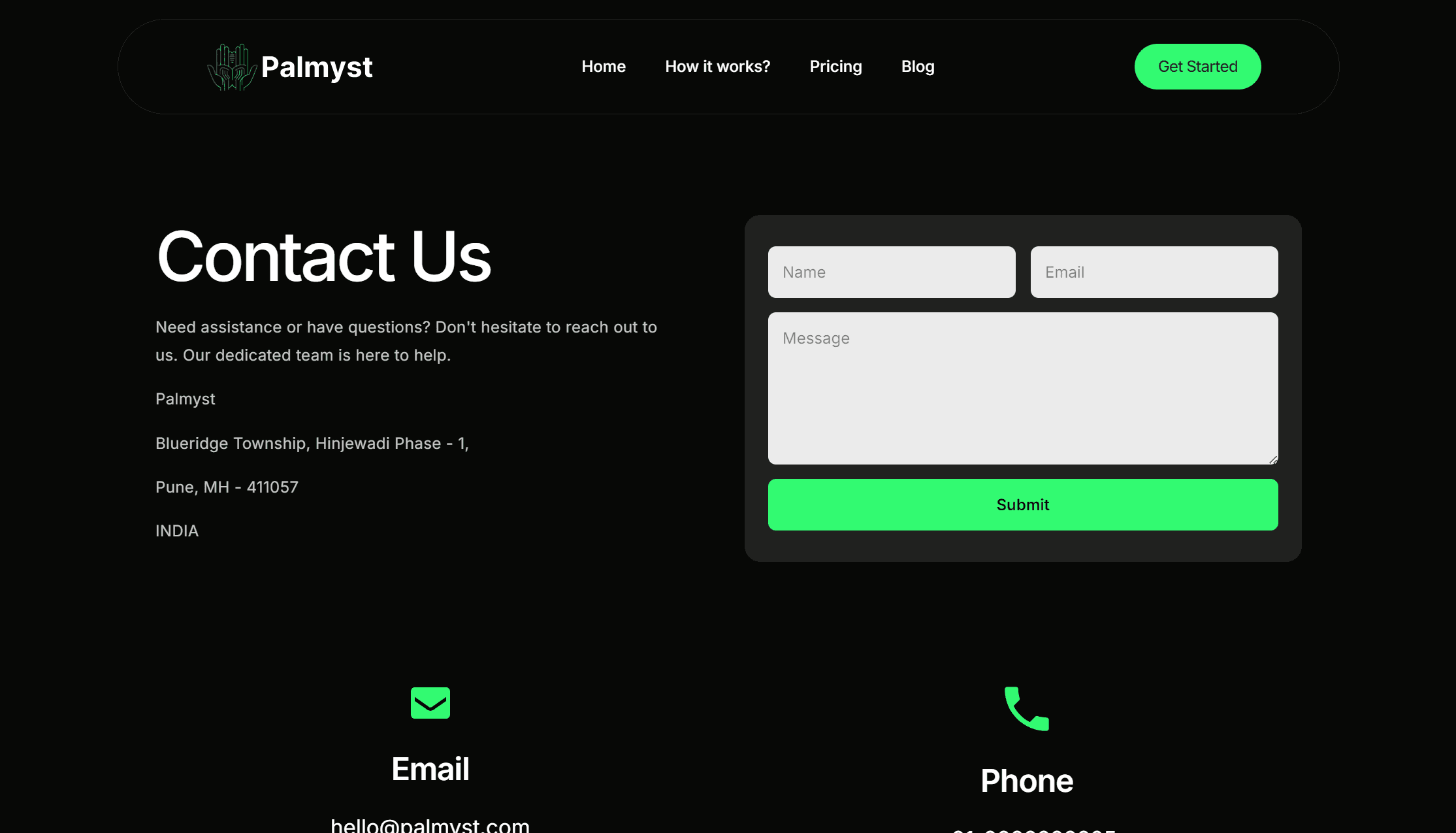
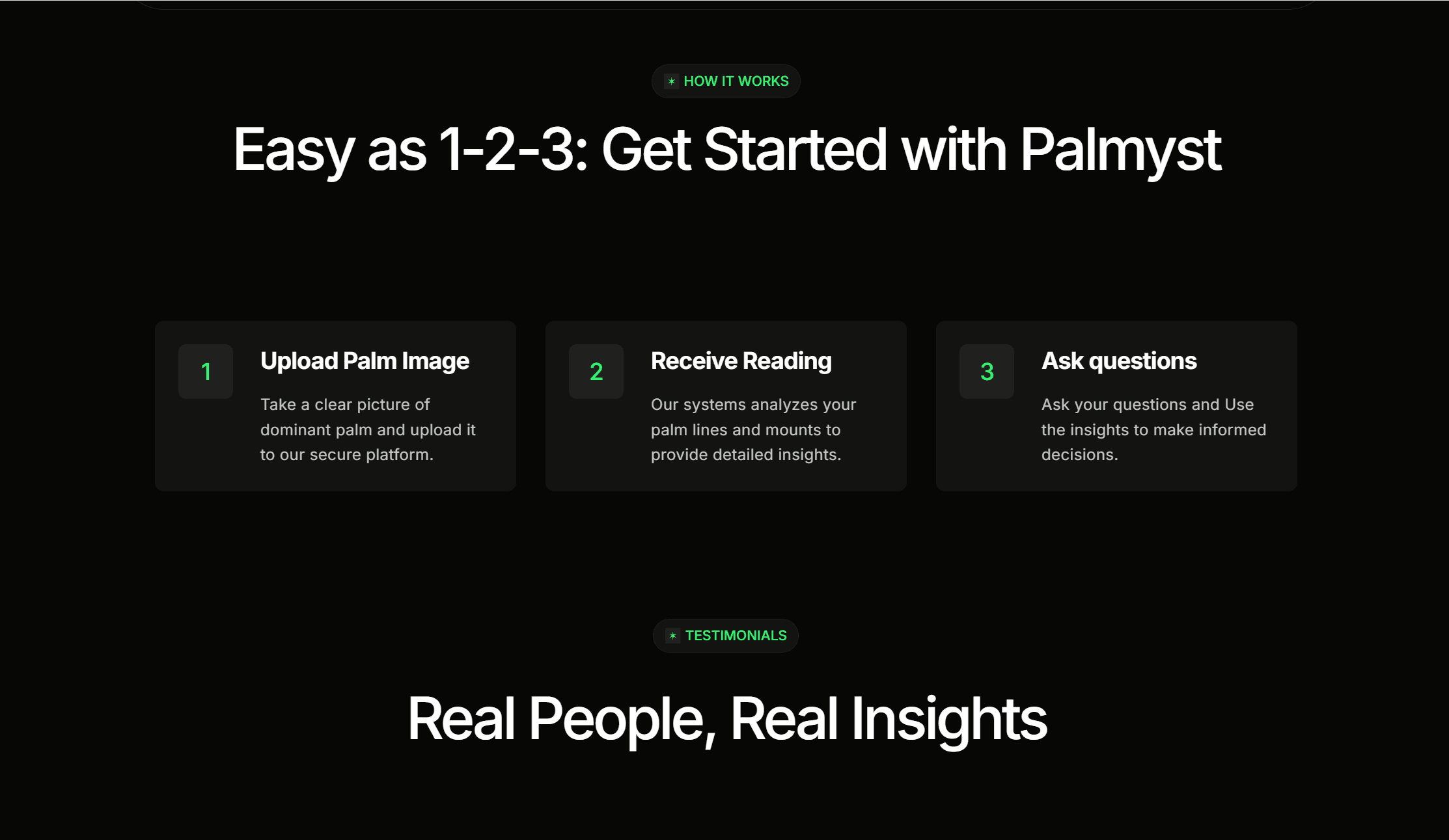
Palmyst is an AI palm-reading app. The team needed a marketing website to tell the brand story, explain the product, and drive app store installs.
Aumadi built the site with Claude Code, shipped it on Vercel, and handed the workspace back to the team. They now edit copy, swap sections, and add new pages themselves. No code, no builder tool, no developer in the loop.
Framer was the obvious option. The hidden cost was less obvious. Every meaningful layout change needed someone trained on the Framer editor. New pages meant either the client learning a new tool or paying a developer for small jobs.
The team is small and the brand moves fast. Slow turnaround on copy edits and section swaps was not acceptable. Neither was vendor lock-in to a proprietary canvas they could not export later.
The pitch was simple. Build the site as real code in a Git repo, not as files inside a design tool. Use Claude Code so the team can describe changes in plain English and have an AI agent ship them.
That moves the artifact. The team owns the codebase. They can export it, fork it, or hand it to any developer later. No platform tax. No lock-in.
Vercel deploys every commit with a preview URL. The feedback loop is minutes, not days.
The marketing site shipped as a Next.js application on Vercel. Component-driven, fully responsive, fast by default, with good Core Web Vitals out of the gate.
The client got a Claude Code workspace pointed at the repo. They write what they want in natural language. Claude Code edits the code, opens a preview URL on Vercel, and the team approves before merging.
A typical update now looks like this:
No developer in the middle. No Framer to learn. The team controls their own marketing site, and the site is fast, real code, and fully theirs.

.png&w=3840&q=75&dpl=dpl_5jwpSwsEansr9MxBSc1tjimSzacV)
Palmyst is an AI powered app built on Flutterflow. It’s a smart, interactive experience powered by modern tech.
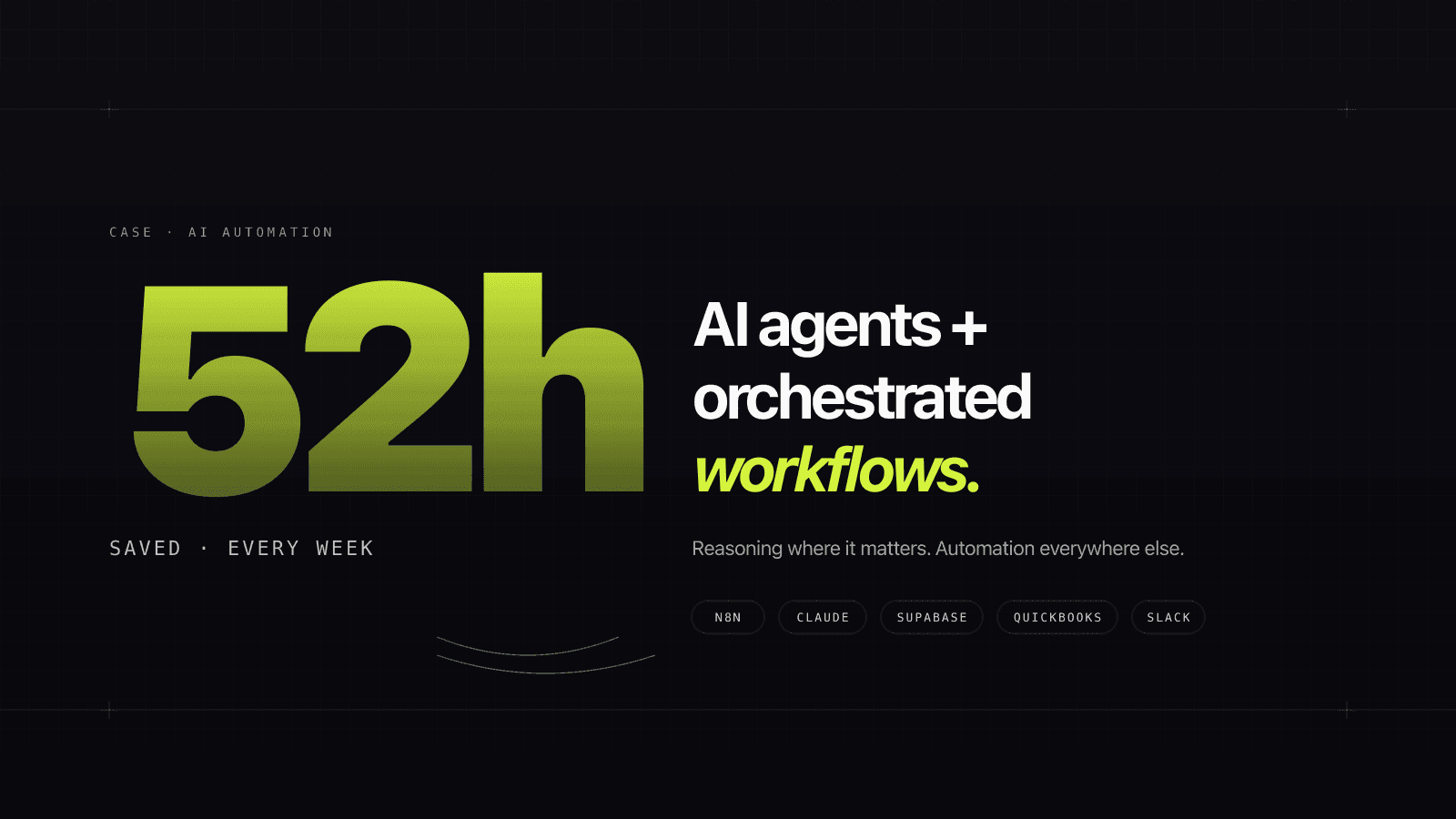
A US commercial products distributor was drowning in manual operations. We replaced spreadsheet tracking, triple data entry, and a Friday reconciliation marathon with n8n workflows and a Claude approval agent. 52 hours saved every week, with full audit trail.
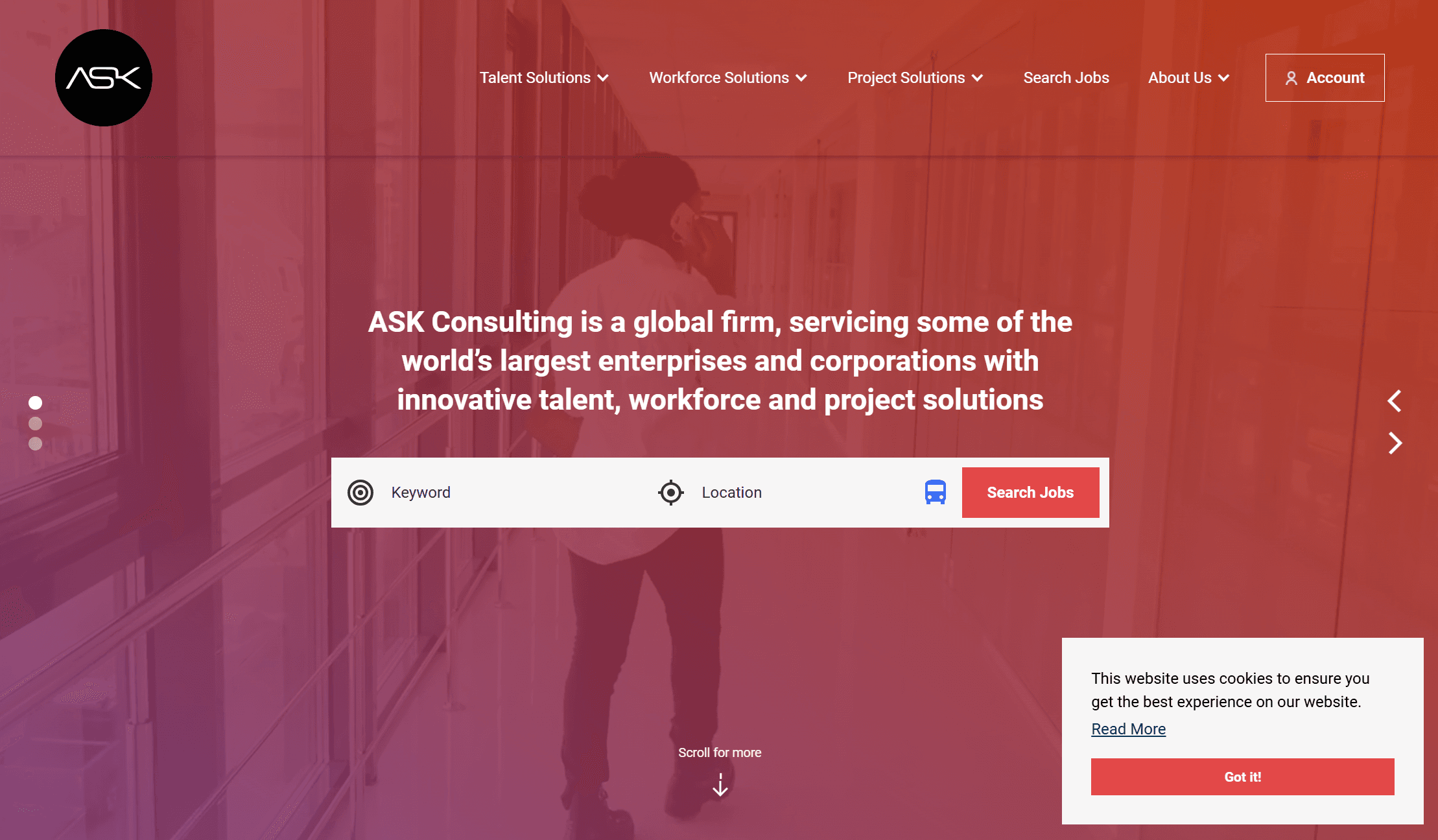
Moved ASK Consulting from costly Volcanic to Webflow, preserving design & adding custom job search. The new site is easy to manage, responsive & integrated.
30-minute discovery call. Scope, timeline, and fixed quote out the other side. No strings attached.
